The Institute for Medical Education (IML) has been part of the international IMEX network since 2023. Following scientific exchange visits to Stockholm (2023) and Utrecht (2024), the return visit took place in Bern from 2 to 7 November 2025. Under the motto "Let's learn from each other", medical educators from Sweden, Germany and the USA met with experts from the IML (see info box).
The exchange focused on shared challenges, proven approaches and diverse solutions in medical education, which were discussed in depth from multiple perspectives.

Medical studies in Bern and Switzerland
One focus was on the special features of medical education in Bern and Switzerland. Contributions from university leadership (Prof. Sager), faculty leadership (Prof. Bassetti), the Faculty of Medicine’s Dean of Education (PD Dr. Hari), the IML, and numerous other participants provided an overview of the national framework conditions, key organisational and strategic parameters from the perspective of the university and the Faculty of Medicine, as well as in-depth insights into innovative activities within medical education. In addition, educational development, career pathways in medical teaching, habilitation and structures for educational research were presented.
The Bern Medical Students' Association (fsmb) presented itself as an important body through its participation in all teaching committees and its own initiatives. The issue of some graduates not pursuing a career in medicine was discussed as a shared challenge.
Role and activities of the IML
The IML has more than 50 years of experience in assessing and promoting high-quality medical education. In the area of assessment, the examination procedures developed by the IML in collaboration with Swiss faculties were presented and discussed. The federal examination (EP) with its practical component (OSCE), is unique to Switzerland and is a prerequisite for entry into postgraduate medical training. «The key advantage of this type of exam is that it assesses not only knowledge, but also the ability to apply that knowledge in concrete clinical situations», the IML experts emphasised. The Swiss approach was compared with models from Germany, Sweden and the USA.
The IML's own simulated participants (SP) programme was also presented. SP have been specifically recruited, trained and deployed in Bern for many years, both in assessment and in teaching. Particular attention was paid to the nationally unique OSCE examination track with schoolchildren in paediatrics, which is distinguished by its high degree of authenticity, as well as the development and use of moulages to make examination situations in SP encounters even more realistic. In Addition, participants gained further practical insights into key areas of activity, including e-learning and video production. The active participation of the guests fostered a lively professional exchange.
The key advantage of this type of exam is that it assesses not only knowledge, but also the ability to apply that knowledge in concrete clinical situations.
Innovation and outlook
Modern medical education must meet a wide range of needs. This was illustrated, for example, by a current pilot project on student coaching based on Gibbs' reflective cycle[1] . The focus is on supporting students' personal development, guided by experienced clinicians. Gradual integration into the Bern curriculum is planned from the spring semester of 2026.
Conclusion
The IMEX meeting in Bern provided in-depth insights into Bern as a centre for medicine from the perspective of medical education and enabled intensive international exchange.
The particular value of the IMEX format was especially evident in the small, focused setting: jointly reflecting on challenges, learning from one another and inspiring each other. The evaluation confirms that the meeting met the participants' expectations and there is already anticipation for the next meeting in Dresden.
[1] Gibbs, G. (1988) Learning by Doing: A guide to teaching and learning methods. Further Education Unit, Oxford Brookes University, Oxford
-
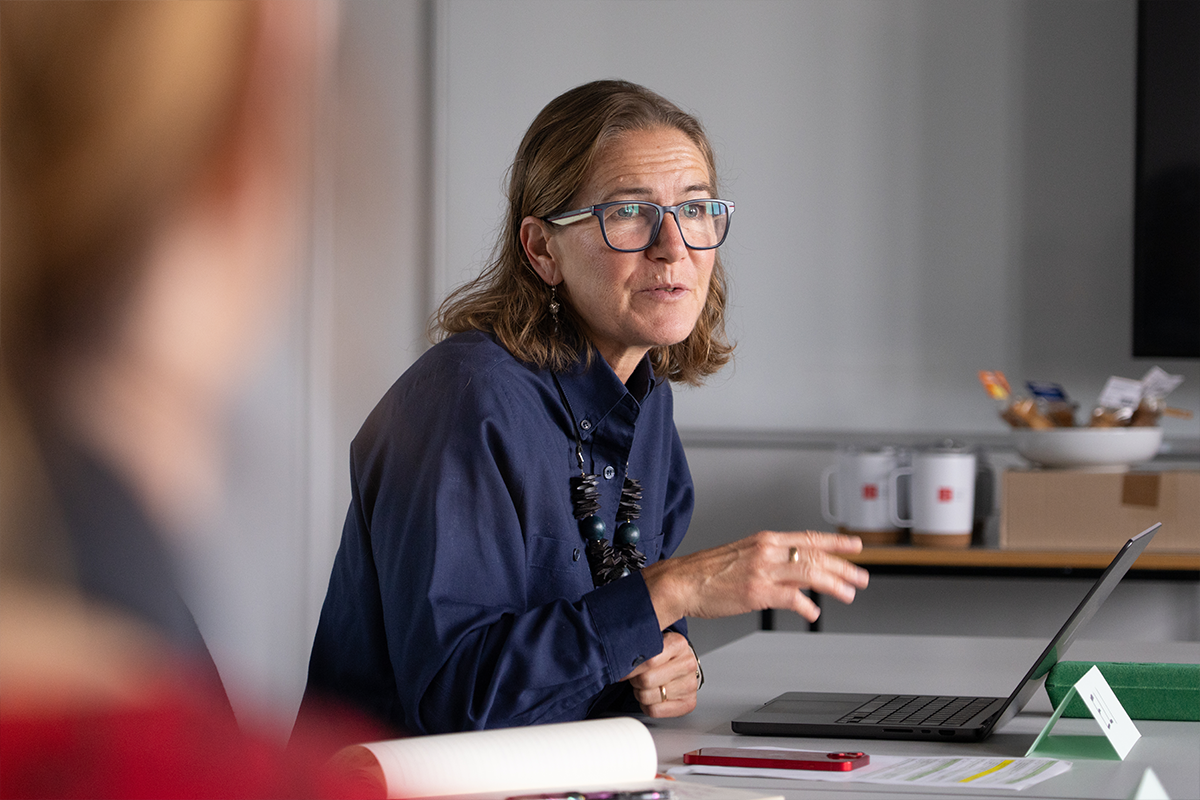
Prof. Eli Westerlund (Karolinska Institutet) -
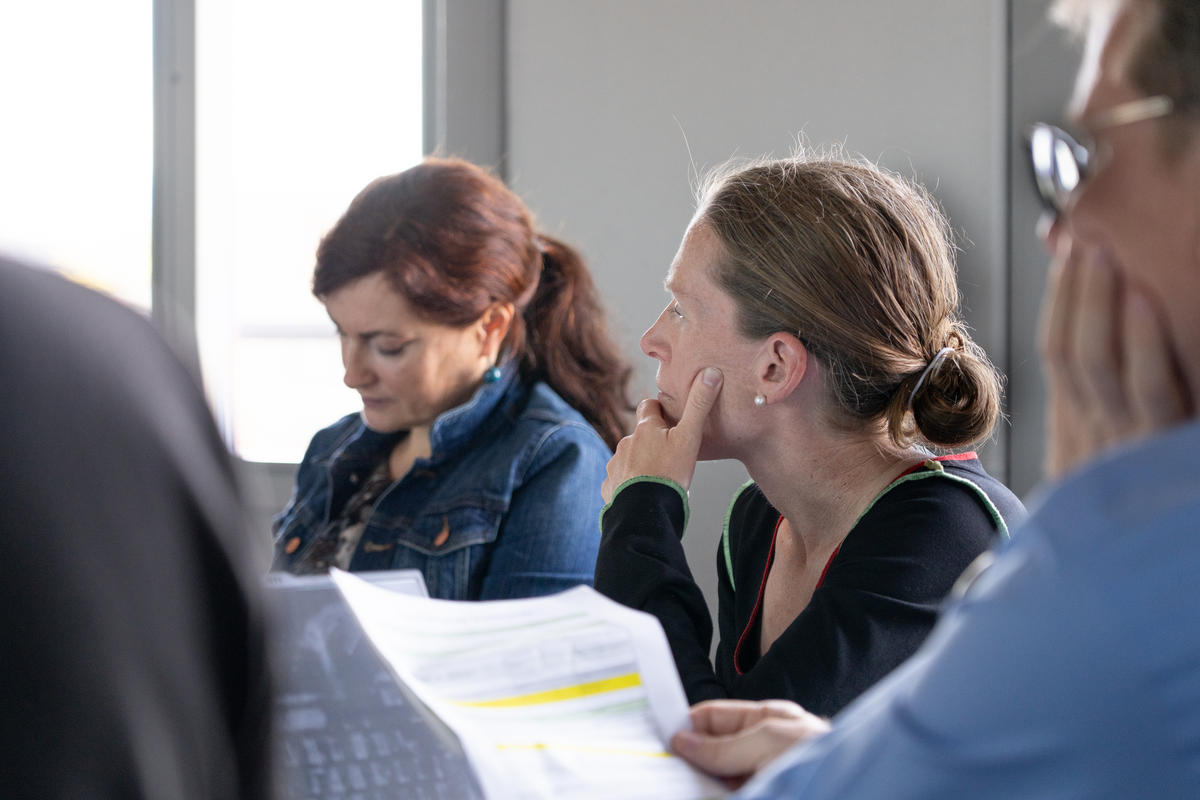
Dr. rer. nat. Lydia Günther (Dresden University of Technology) & Prof. Katie Famous (Kaiser Permanente Bernard J. Tyson School of Medicine) -
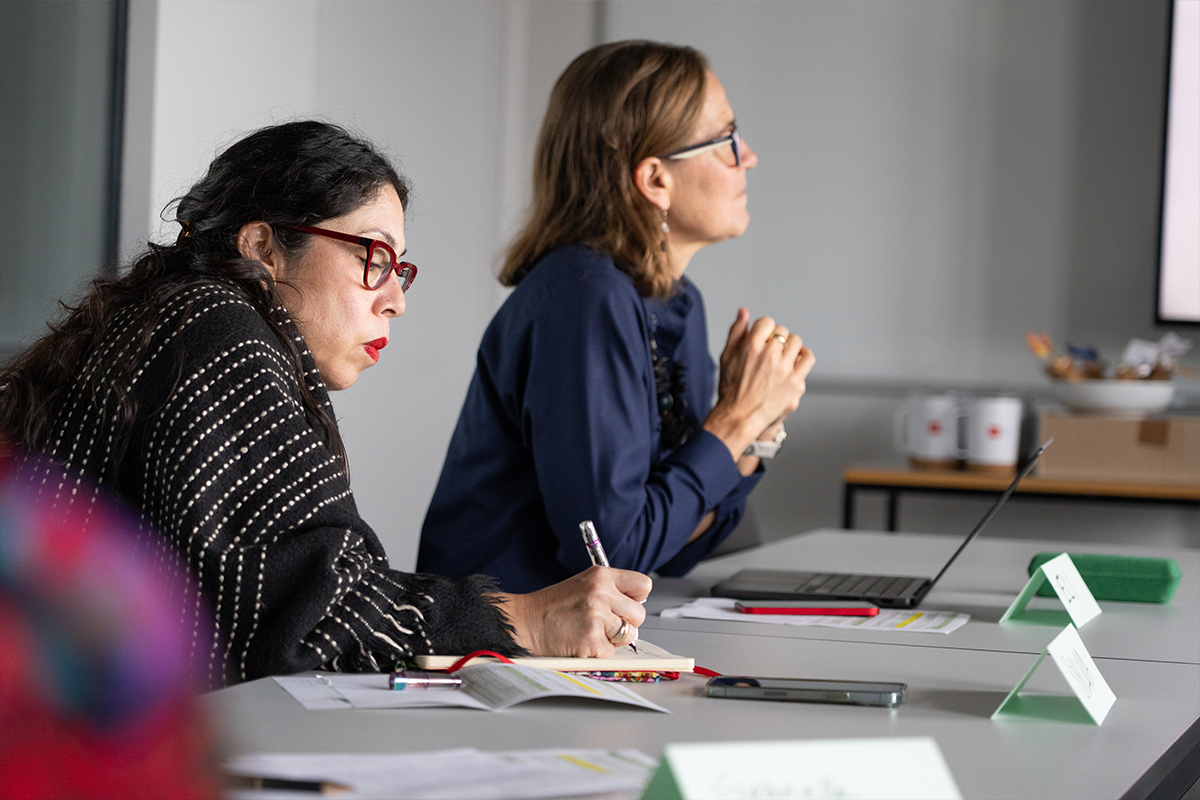
Prof. Sylvia Vetrone (Kaiser Permanente Bernard J. Tyson School of Medicine) -
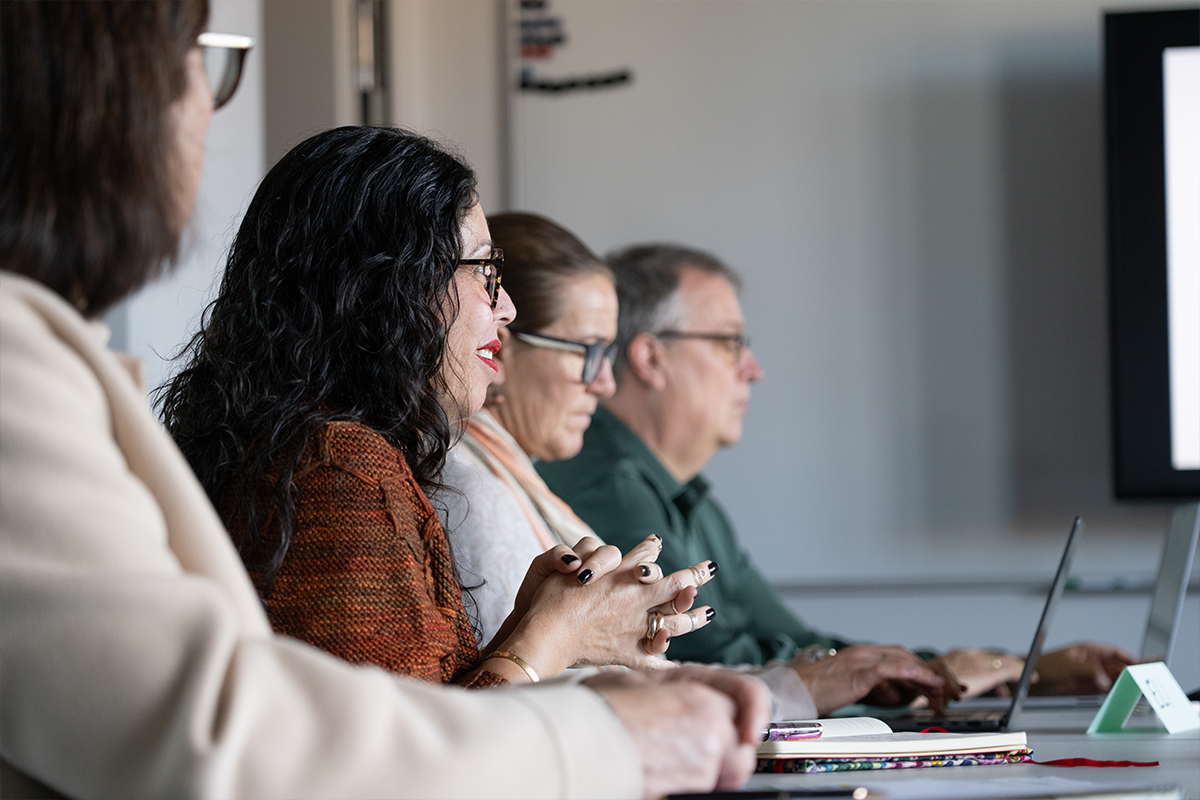
-
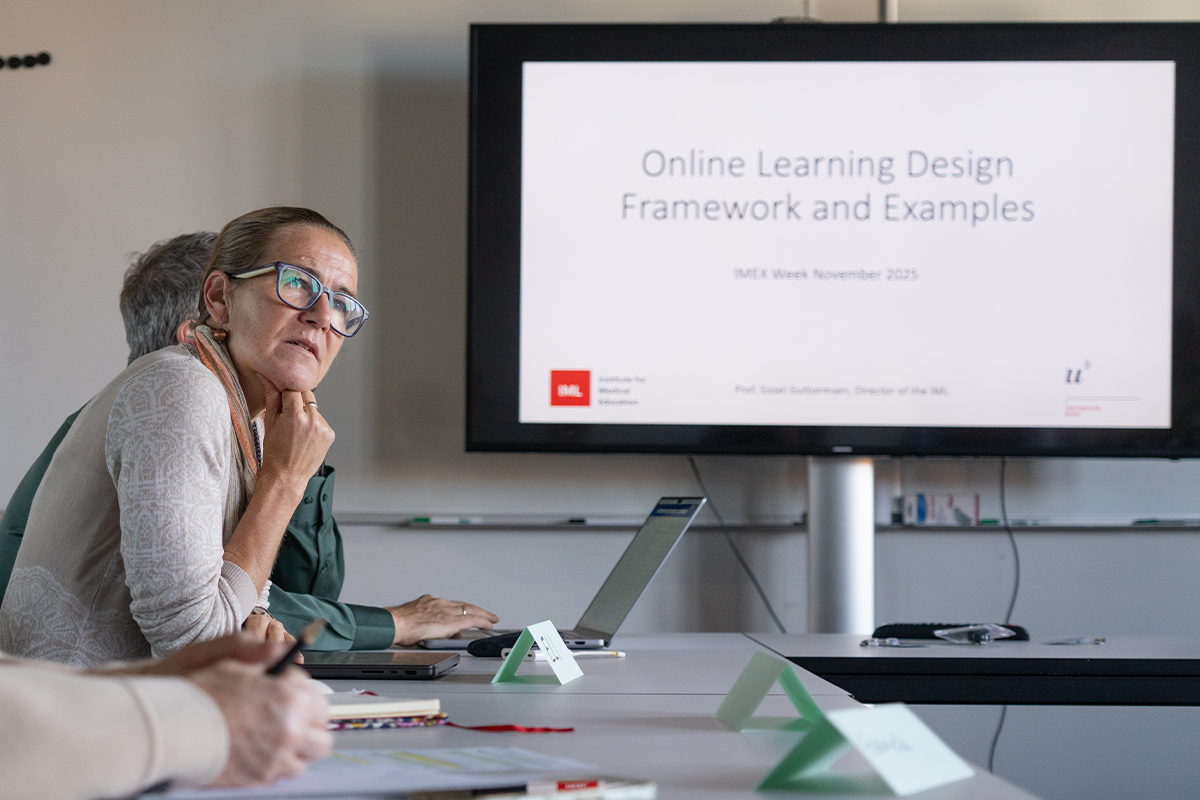
-
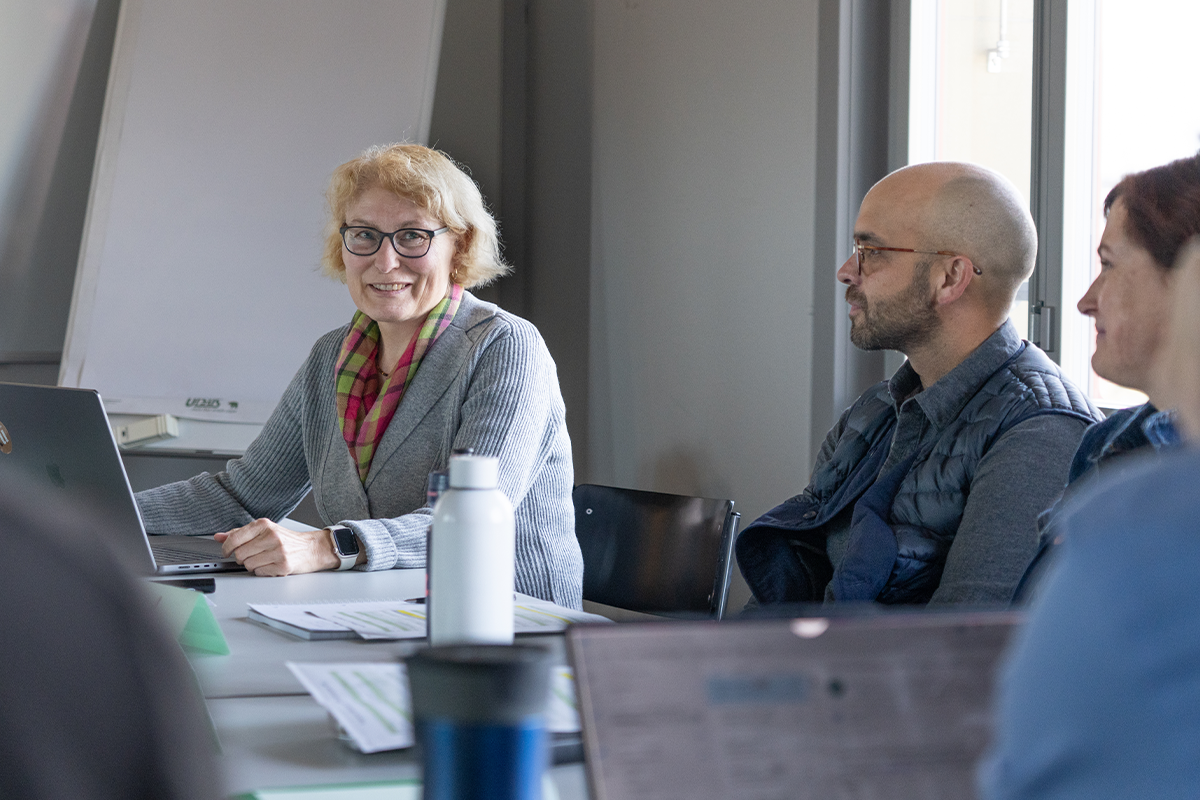
Prof. Sissel Guttormsen (Director IML) & Prof. David Ansari (University of Illinois College of Medicine) -
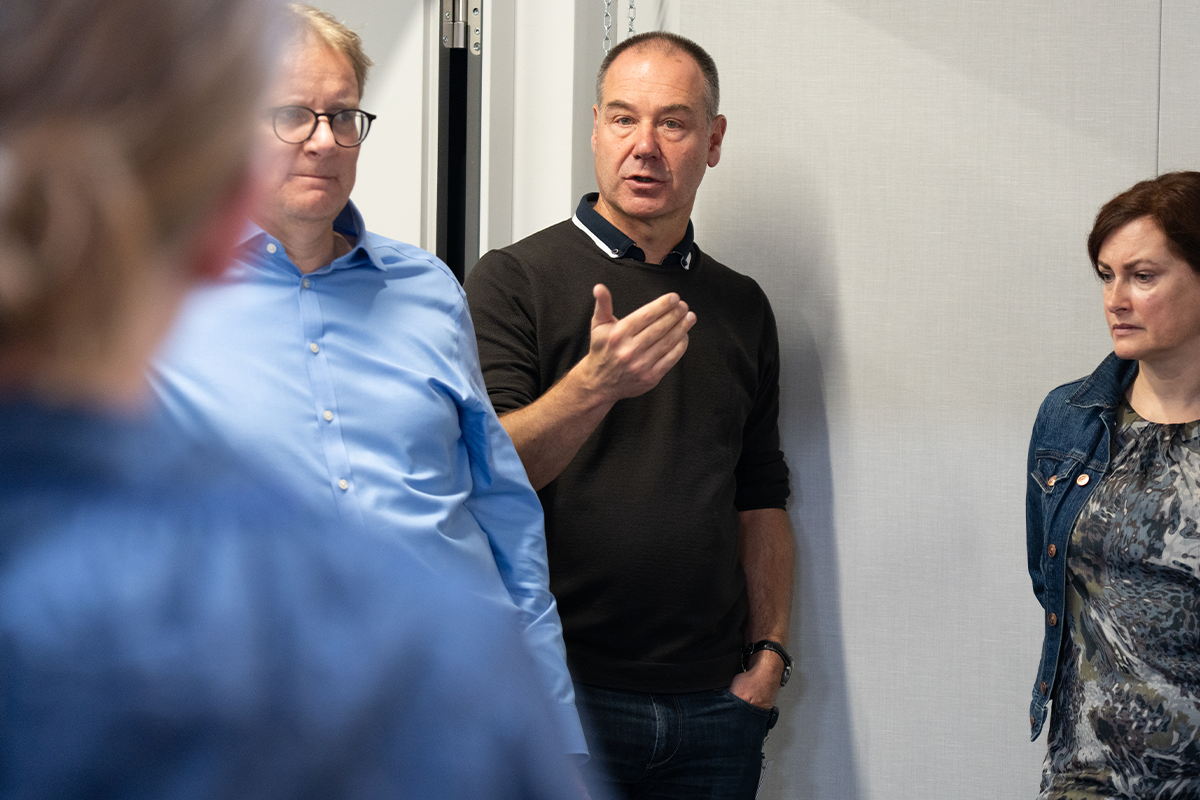
Group discussion with Prof. Sören Huwendiek & Prof. Christoph Berendonk (IML) -
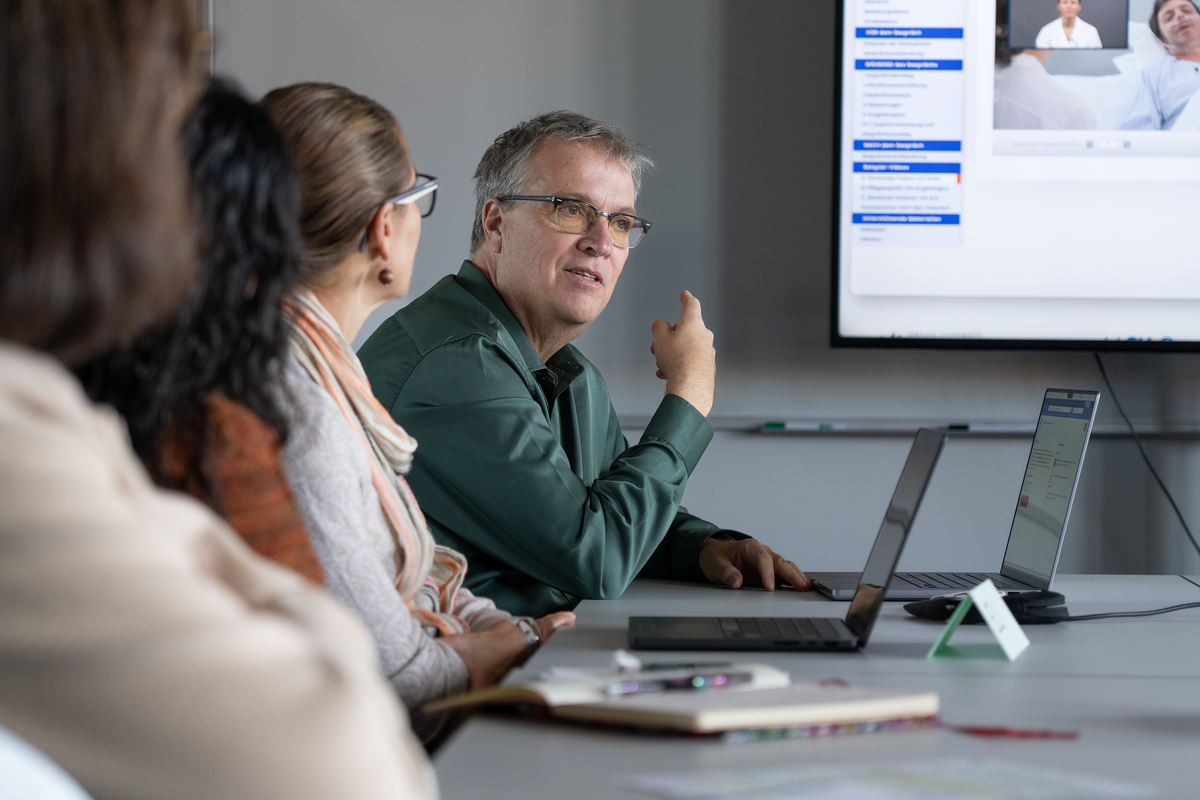
Prof. Kai Schnabel (IML)


-
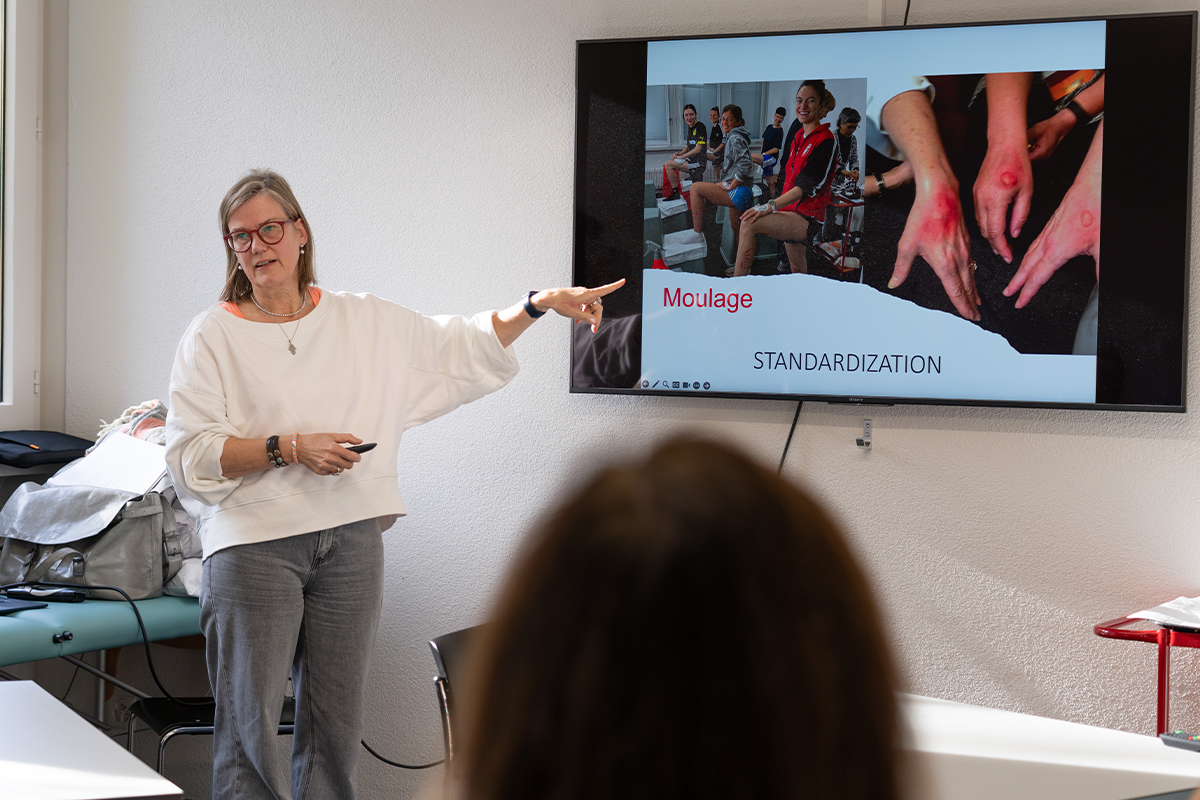
Dr. Beate Brem (IML) -
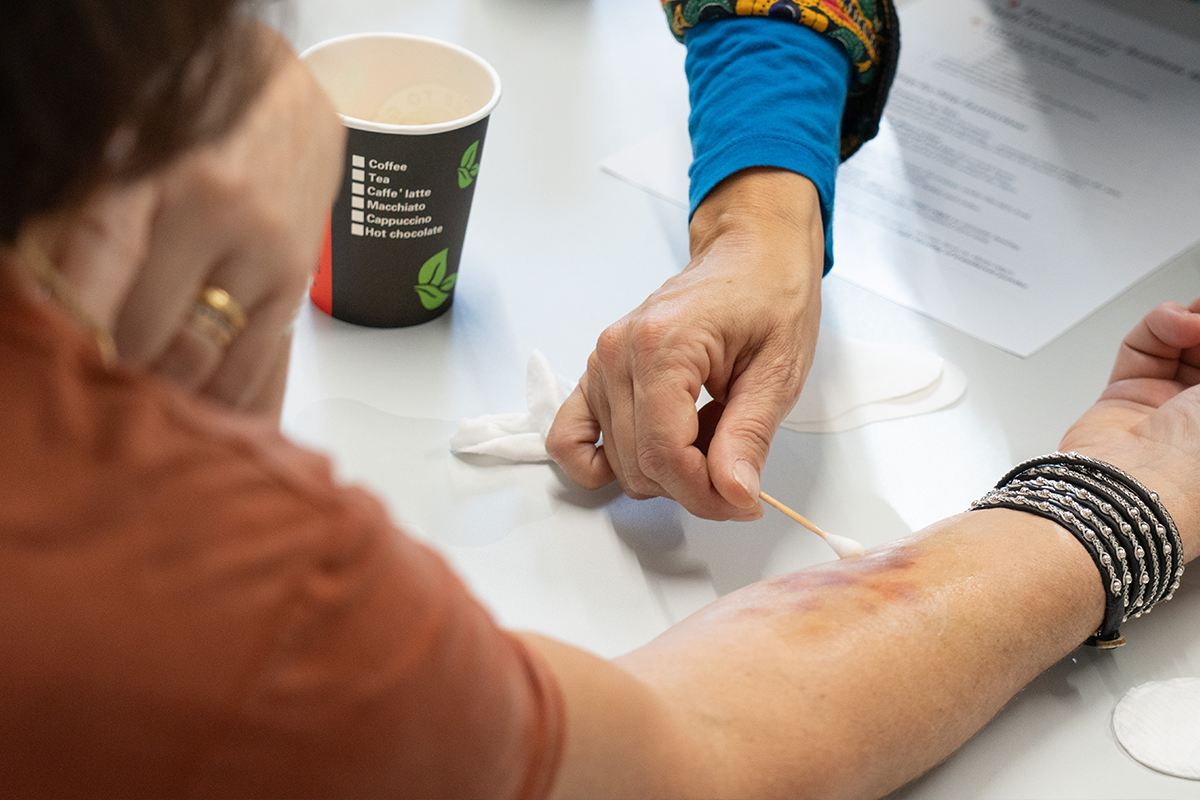
Example: use of moulages -
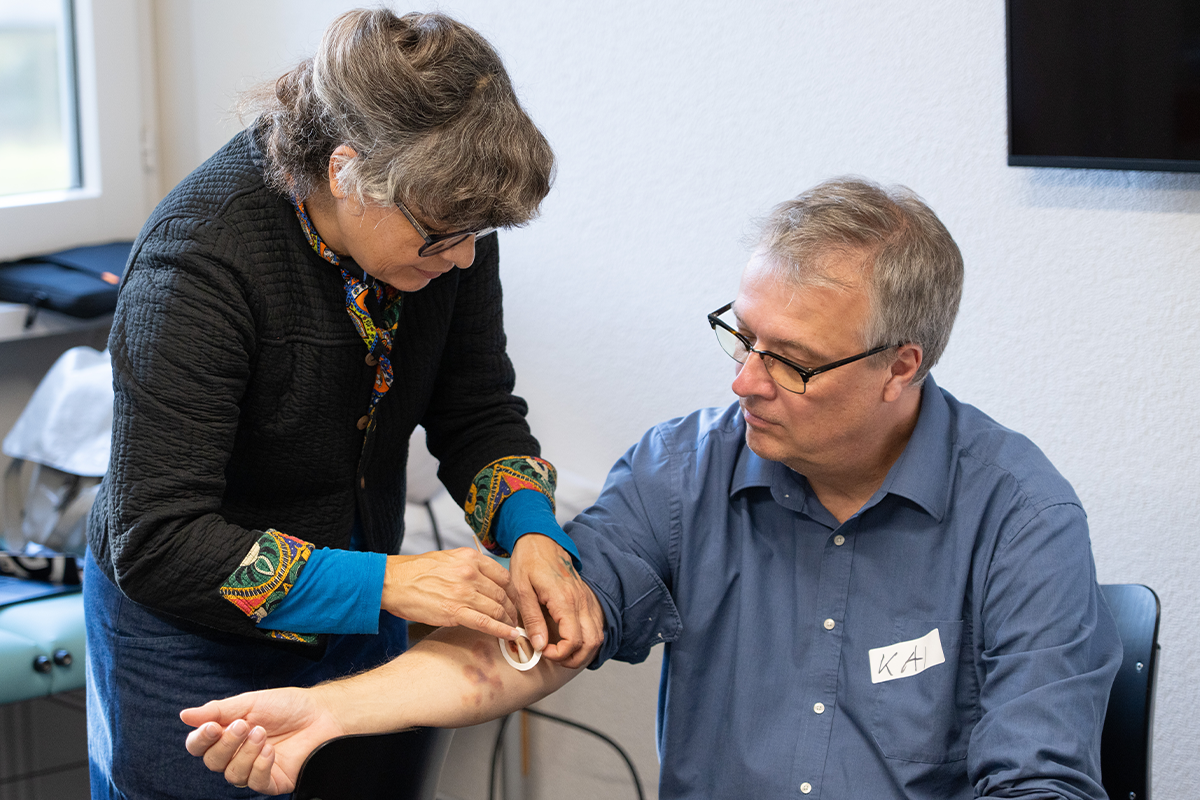
Moulage demonstration with IML make-up artist Miria Germano (test subject Kai Schnabel, IML) -
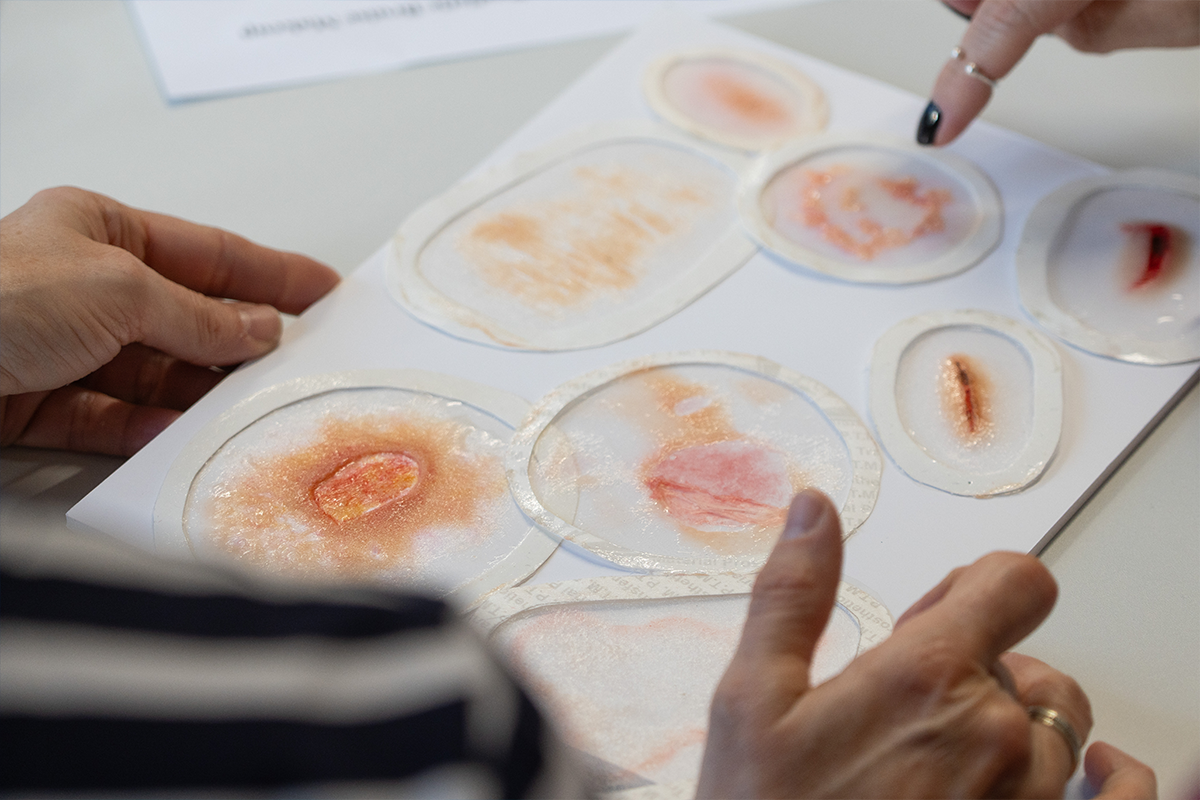
Example of moulages -
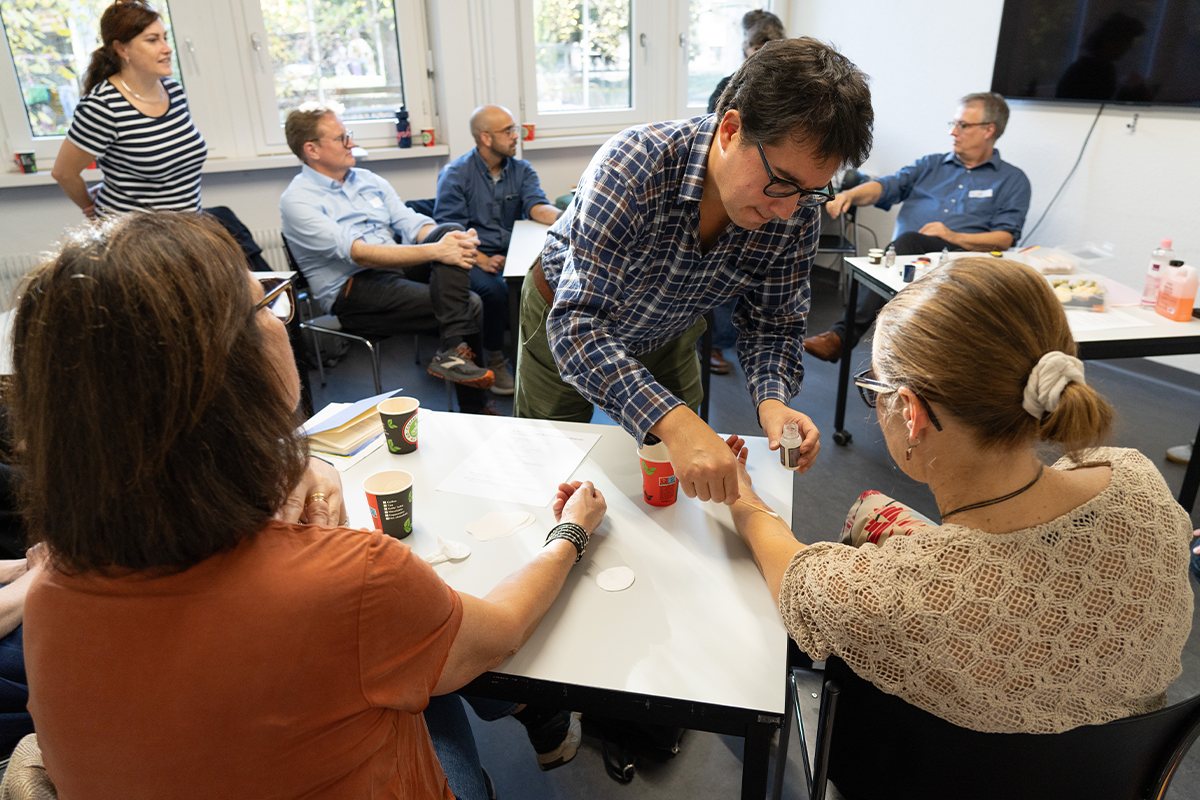
Moulage demonstration with Dr. Daniel Bauer (IML) -
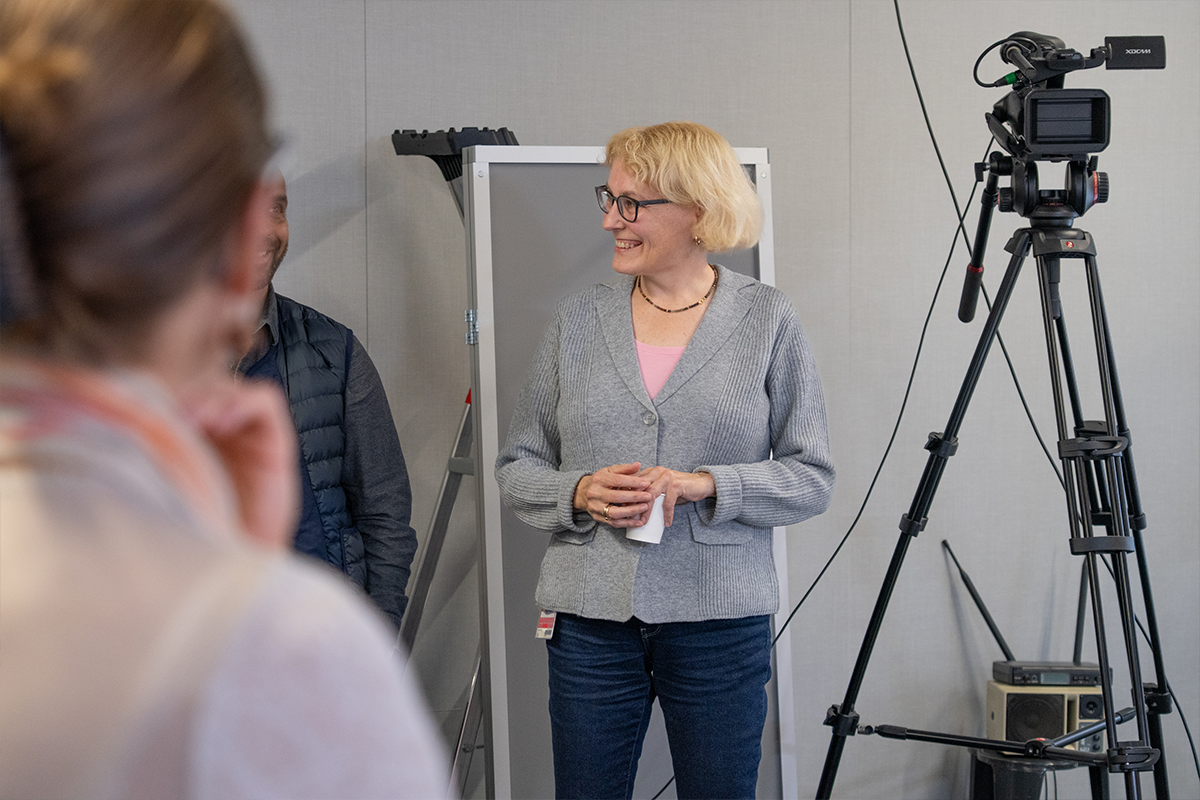
Prof. Sissel Guttormsen in the IML video studio -
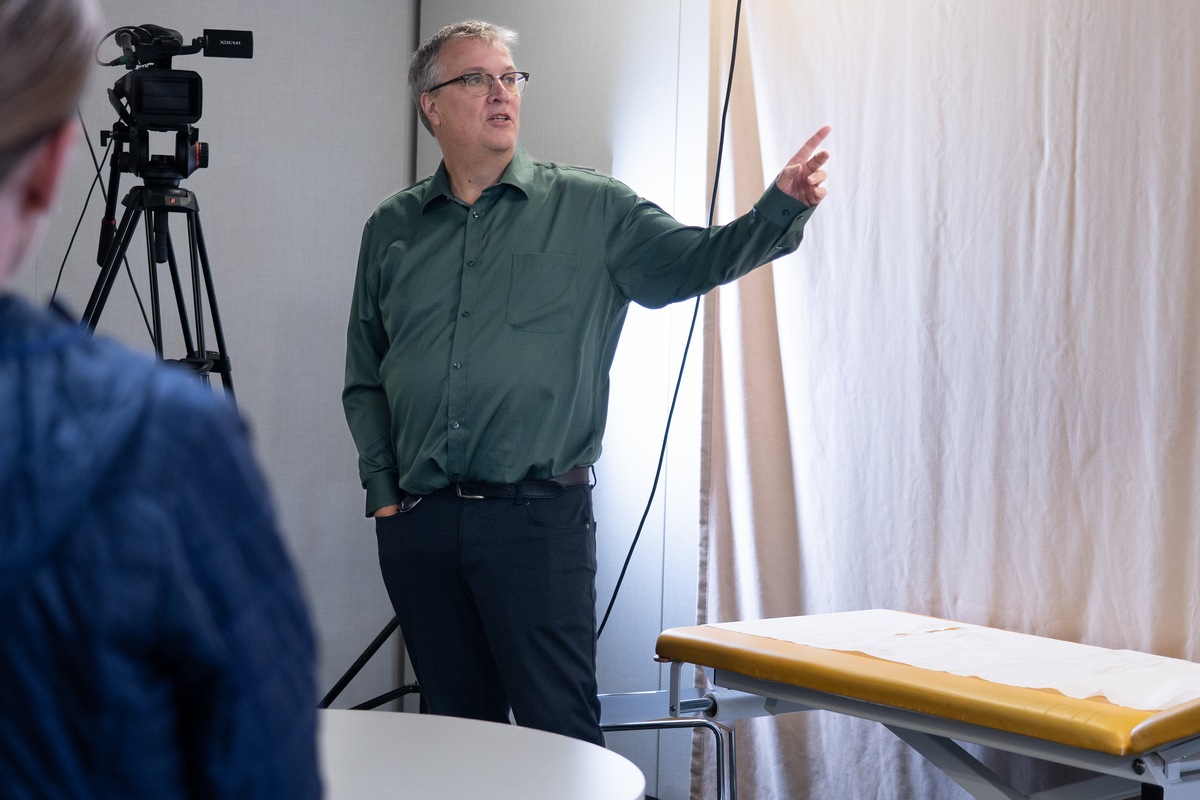
-
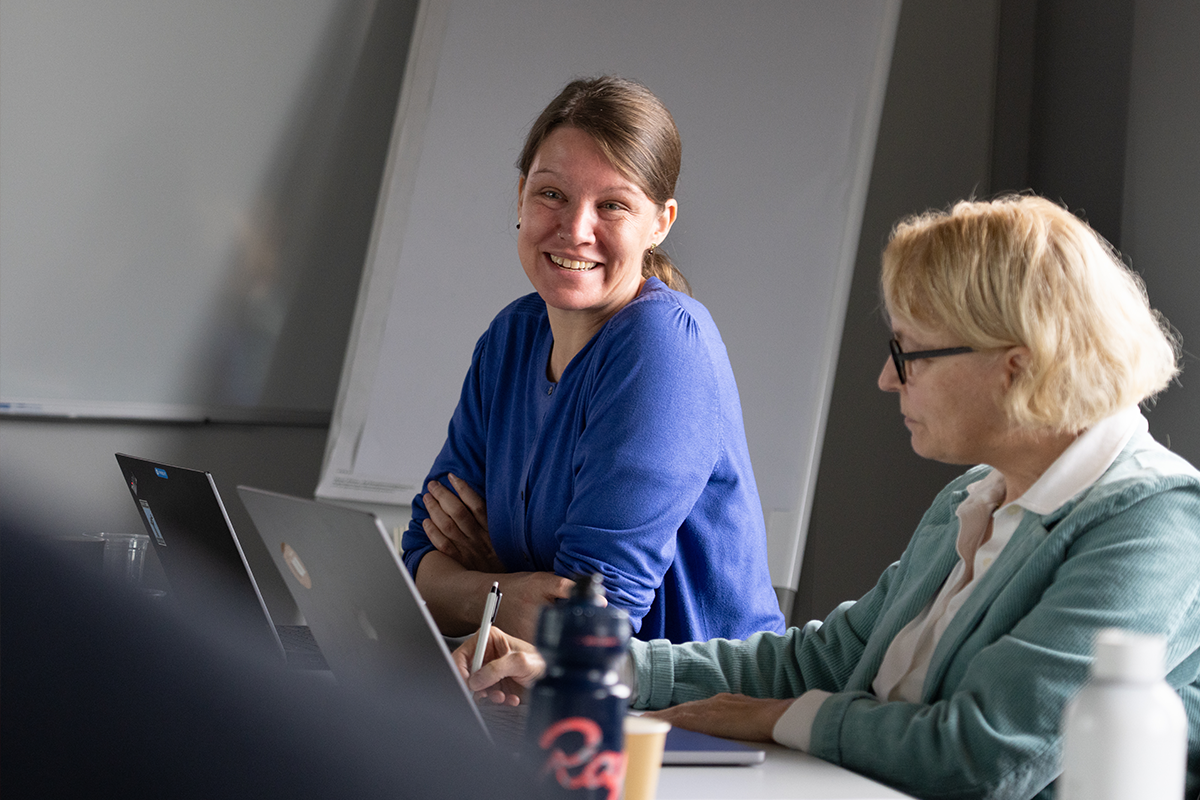
Dr. Nina Loretz (research assistant for the coaching programme) and Prof. Sissel Guttormsen -
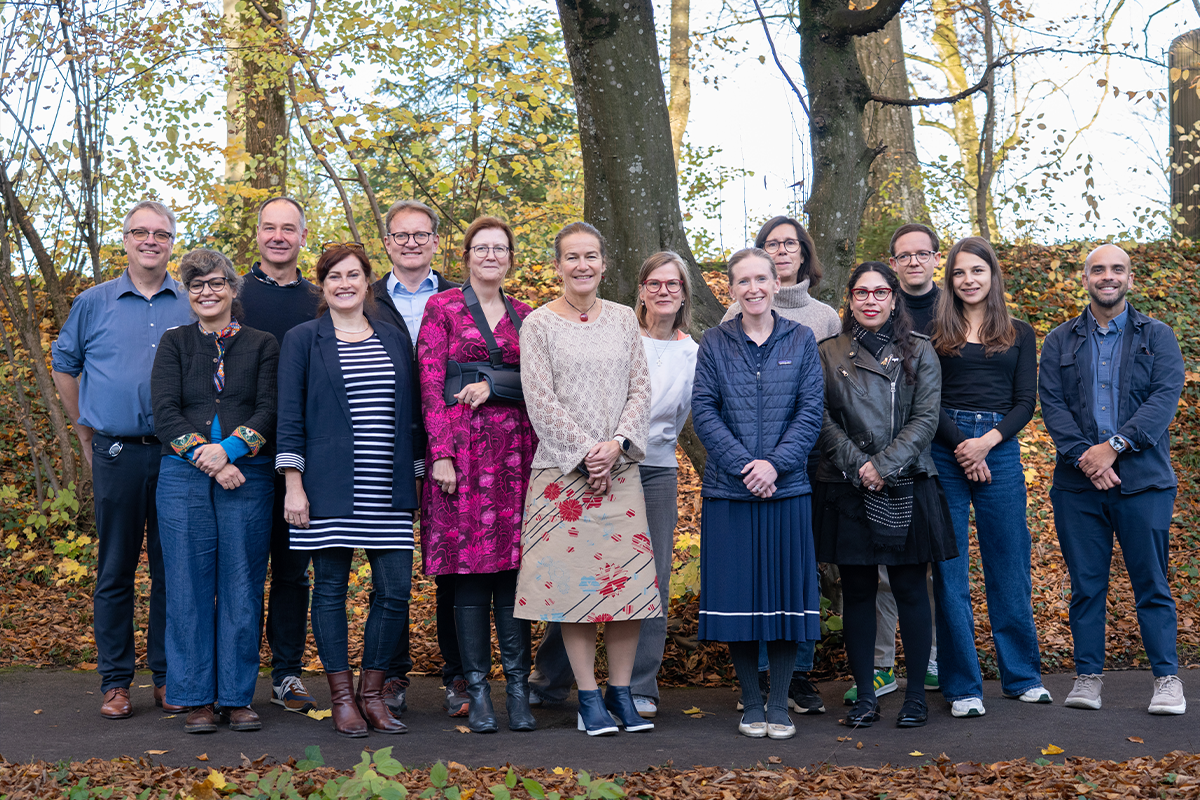
Group photo with students


